
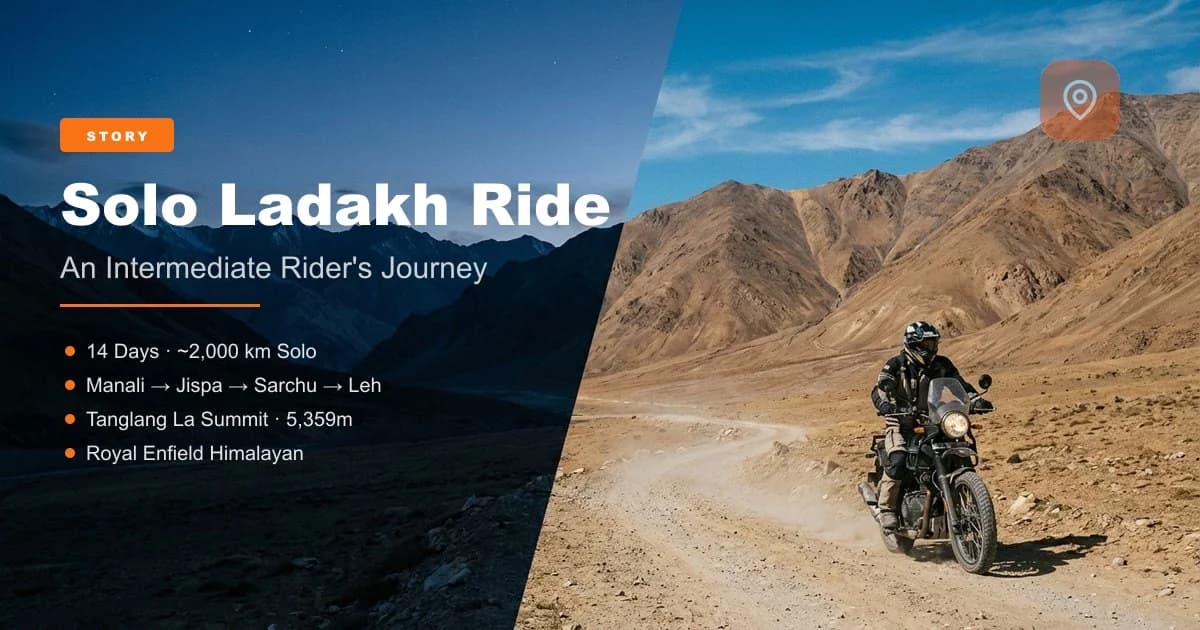
The cold, crisp air bites at your cheeks, the roar of your engine echoes off ancient mountains, and the world shrinks to the ribbon of asphalt (or sometimes, just gravel) stretching endlessly before you. This isn't just a trip; it's a pilgrimage. And for many intermediate riders like me, the ultimate dream is my first solo trip to Ladakh.
Ladakh, the 'Land of High Passes,' calls to every biker's soul. Its stark, lunar landscapes, vibrant Buddhist monasteries, and the sheer challenge of its high-altitude roads create an irresistible allure. But undertaking it solo? That's a different beast entirely. It’s a leap of faith, a profound journey into self-discovery, and an unparalleled test of skill and spirit.
Why solo, you ask? For me, it was about embracing a personal challenge, pushing my limits, and finding a freedom that only the open road and complete independence can offer. No compromises, no group pace, just me, my bike, and the vast expanse of the Himalayas. As an intermediate rider with a fair bit of experience under my belt, I knew the basics. I'd done shorter group rides, tackled some challenging terrains. But Ladakh, alone, was an entirely different league. It demanded more – more preparation, more resilience, and a deeper connection with my machine and myself.
In this post, I'll share my epic journey, blending the raw, personal narrative of my adventure with practical, nuanced advice specifically tailored for intermediate riders contemplating their own solo Himalayan escapade. Get ready to be inspired, informed, and perhaps, a little scared – in the best possible way.
Quick Summary: First Solo Ladakh Bike Trip
- Best Route: Manali → Leh via Manali-Leh Highway (northbound) and return via Srinagar-Leh Highway — two completely different landscapes in one trip.
- ILP Required: Indian nationals need an Inner Line Permit for Nubra Valley, Pangong Tso, Tso Moriri, and Hanle — collect it at the DC office in Leh on arrival.
- Altitude Warning: Leh sits at 3,500m (11,500 ft). Spend 2 full rest days acclimatizing before riding any high passes.
- Cost Estimate: A 15-day solo trip costs approximately ₹35,000-₹55,000 including fuel, stays at ₹1,000-1,500/night, food, and permits.
- Network Reality: BSNL postpaid is the only SIM with coverage at Sarchu and Baralacha La. Download offline maps before leaving Manali.
Verified by MileMarked · Last verified: March 2026
Preparation Beyond the Basics: For the Intermediate Soloist
Embarking on my first solo trip to Ladakh wasn't just about packing a bag and hitting the road. It required meticulous planning, especially when you're the only one responsible for yourself. As an intermediate rider, you already understand bike maintenance and gear, but Ladakh demands an elevated level of readiness.
Bike Preparation: Your Iron Steed's Health Check
Your motorcycle is your lifeline in Ladakh. Don't skimp here. Beyond your usual service, get a thorough check-up focusing on:
- Tyres: Absolutely crucial. Tubeless tyres with good tread are preferred for puncture resistance. Carry a puncture repair kit and an air pump.
- Brakes: Ensure pads are new or nearly new, and fluids are topped up. Steep descents and unpredictable terrain will test them.
- Engine & Electricals: A full tune-up is essential. Check all lights, horn, and wiring. Carry spare fuses.
- Essential Spares: Don't just think about them; carry them. Clutch and accelerator cables, spark plugs, a spare tube (even for tubeless for emergencies), engine oil, chain lube, and basic nuts/bolts.
- Chain & Sprocket: Ensure they are in excellent condition. A worn chain can snap, leaving you stranded.
- Suspension: Ladakh's roads are brutal. Ensure your suspension is in top shape.
Intermediate Rider Tip: While you might be comfortable with minor repairs, consider taking a basic motorcycle mechanics workshop focusing on roadside fixes like changing a spark plug, adjusting cables, or fixing a puncture. Being self-sufficient is paramount when riding solo.
Gear & Packing Essentials: Layer Up for the Extremes
Ladakh's weather is famously fickle. You can experience all four seasons in a single day. Layering is key.
- Riding Gear: High-quality, all-weather riding jacket and pants with proper armour. Waterproof gloves, a full-face helmet (ISI/DOT certified), and sturdy riding boots.
- Clothing: Thermal innerwear, fleece layers, waterproof outer shell, quick-drying t-shirts, warm socks. Pack less, layer more.
- Tool Kit: Beyond the bike's standard kit, add a multi-tool, plier, adjustable spanner, duct tape, zip ties, and a headlamp.
- First-Aid Kit: This is non-negotiable for a solo trip. Include bandages, antiseptic, pain relievers, blister treatment, rehydration salts, and crucially, medication for Altitude Sickness (AMS) like Diamox (only after consulting your doctor).
- Emergency Supplies: Power bank, water filter bottle/purification tablets, high-energy snacks, a basic rope, and a whistle.
- Navigation: A reliable GPS device or offline maps (like Google Maps or Maps.me) downloaded on your phone. Network is patchy!
Physical & Mental Conditioning: More Than Just Riding Fit
Your body and mind will be pushed to their limits.
- Physical Fitness: Start cardiovascular exercises (running, cycling) at least a month before your trip. Strong core muscles help with long riding hours and rough terrain.
- Acclimatization Plan: This is vital. Don't rush your ascent. Plan for gradual climbs and rest days. Leh is at ~11,500 ft (3,500m). Staying hydrated is key.
- Mental Resilience: Solitude can be challenging. Practice mindfulness or meditation. Be prepared for unexpected delays, mechanical issues, and the vast emptiness. A positive mindset is your strongest asset.
Route Planning & Permits: Charting Your Solo Course
Choosing your entry route is a critical decision for my first solo trip to Ladakh.
| Route | Pros | Cons |
|---|---|---|
| Manali-Leh Highway | More adventurous, higher passes, stunning landscapes, quicker access. | Harsher conditions, higher risk of AMS, longer stretches without fuel. |
| Srinagar-Leh Highway | More gradual ascent, picturesque valleys, better road conditions. | Slightly longer in terms of distance, can be politically sensitive. |
For my first solo ride, I chose the Manali-Leh highway for its raw challenge, but ensured I built in ample acclimatization time in Jispa and Leh.
- Inner Line Permits (ILP): Required for restricted areas like Nubra Valley, Pangong Tso, and Tso Moriri. You can apply online via the Leh administration website or get it from the DC office in Leh. Do this before you arrive, or immediately upon arrival.
- Fuel Stops: Plan meticulously. The stretch between Tandi (near Keylong) and Leh is long. Tandi is the last reliable fuel station for hundreds of kilometers if coming from Manali. Carry extra fuel canisters.
- Accommodation: While spontaneity is part of solo travel, pre-booking your first few nights in Leh and major stops like Nubra Valley can save you hassle after a long day's ride. Guesthouses, homestays, and hotels are available.
The Road Less Traveled: My Solo Ladakh Experience Unfolds
The day I finally kicked off my first solo trip to Ladakh was a cocktail of exhilaration and nervous anticipation. Leaving Manali, the initial stretches of the Manali-Leh highway felt familiar, but the knowledge that I was alone added a unique edge to every twist and turn.
Day-by-Day Highlights: A Tapestry of High Passes and Raw Beauty
My journey was a series of unforgettable moments, each pass a new conquest:
- Rohtang Pass: The gateway, often slushy and challenging, but the views are an instant reminder of the adventure ahead.
- Baralacha La: One of the most treacherous yet breathtaking passes, often snow-covered even in summer. The vast, desolate landscape here truly humbles you.
- Tanglang La: The second highest motorable pass (depending on who you ask!), offering incredible vistas of the Zanskar range. The air thins noticeably here.
- Khardung La: The iconic 'highest motorable road in the world' (though technically debatable, it's still an achievement!). Reaching the top was a moment of pure triumph.
- Chang La: Leading to Pangong Tso, this pass offers a mix of challenging roads and stunning mountainscapes. The journey to the lake itself is surreal.
Each day presented new challenges and rewards. From the verdant valleys morphing into lunar landscapes, to the vivid blue of Pangong Tso mirroring the sky, the beauty was relentless.
Challenges Faced & Overcome: The True Test of Solo Spirit
Being alone magnified every challenge, but also every victory.
- Battling Altitude Sickness: Despite my careful acclimatization, I felt the dull throb of AMS symptoms on my first night in Leh. A headache, slight nausea – it was a stark reminder of Ladakh's power. Hydration, rest, and a slow pace were my best friends.
- Unpredictable Weather: One moment it was sunny, the next, a sudden snow flurry or torrential rain would descend, turning already difficult roads into slushy nightmares. I learned to constantly scan the skies and trust my gut when deciding to push on or seek shelter.
- Conquering Rough Terrains: Water crossings became an art form. Glacial meltwater, sometimes knee-deep, required steady throttle control and unwavering focus. Gravel sections demanded a lighter touch and controlled slides. I had a minor fall on a particularly loose patch near Sarchu, but dusting myself off and getting back on the bike felt incredibly empowering.
- Managing Minor Mechanical Issues: A loose chain and a sputtering engine due to a dirty spark plug were my solo roadside repair initiation. Thanks to my preparation and the basic mechanic lessons, I managed to fix them, feeling a surge of self-reliance with each successful repair.
Moments of Awe & Reflection: The Soul of the Solo Journey
Amidst the challenges, Ladakh delivered moments of profound beauty and introspection.
- Breathtaking Landscapes: From the vibrant prayer flags fluttering against azure skies to the ancient rock formations sculpted by time, every turn was a postcard. The sheer scale of the mountains made me feel infinitesimally small, yet incredibly connected to the vastness of the universe.
- Serenity of Ancient Monasteries: Spending quiet moments at Thiksey, Hemis, and Diskit monasteries offered a spiritual solace. The chants of the monks, the intricate thangkas, and the peaceful atmosphere were a balm for the soul.
- Unforgettable Star-Gazing: Away from city lights, the Ladakhi night sky is a spectacle. Lying in my tent at Pangong Tso, the Milky Way stretched across the heavens, a glittering river of stars, making me feel a part of something truly immense.
- Heartwarming Local Interactions: Despite the language barrier, the smiles, gestures, and cups of butter tea offered by Ladakhi villagers were incredibly touching. Their resilience and warmth in such a harsh environment were truly inspiring.
Embracing the Power of Solitude: Finding Myself on the Road
This solo journey wasn't just about conquering mountains; it was about conquering myself. The prolonged solitude, especially on long stretches where I wouldn't see another soul for hours, forced a deep self-reflection. I confronted fears I didn't know I had, learned to trust my instincts, and discovered an inner strength I never knew existed. My first solo trip to Ladakh became a testament to my own capabilities, deepening my appreciation for independence and resilience.
Navigating Ladakh Solo: Practical Wisdom for Intermediate Riders
Having experienced the highs and lows of a solo Ladakh expedition, I want to impart some crucial practical wisdom. As an intermediate rider, you have a foundation, but these tips are tailored for the unique demands of riding solo in the Himalayas.
Safety First: Ride Smart, Stay Safe
Your safety is solely in your hands.
- Specific Riding Techniques:
- Gravel Roads: Maintain a steady speed, avoid sudden braking, and look far ahead. Let the bike float slightly beneath you.
- Water Crossings: Assess depth and current. Stand on your footpegs, maintain a steady throttle, and keep moving. If unsure, wait for another vehicle or scout on foot.
- High-Altitude Roads: Ride defensively. Blind turns, falling rocks, and sudden slush patches are common. Keep your headlights on.
- Share Your Plan: Always inform family or friends of your daily itinerary, including your expected route and overnight stop. Check in whenever possible.
- Emergency Contacts: Carry a physical list of emergency contacts, your blood group, and any medical conditions.
- Robust First-Aid Kit: Reiterate this. It's your primary lifeline. Include pain relievers, anti-inflammatory medicines, altitude sickness medication (Diamox, prescribed by a doctor), bandages, antiseptic, and any personal medications.
Important: "When in doubt, don't. Better safe than sorry, especially when you're alone."
Altitude Acclimatization Strategy: Breathe Easy
This is the single most critical factor for a successful and enjoyable trip.
- Gradual Ascent: This cannot be stressed enough. If coming from Manali, plan an overnight stop at Keylong or Jispa before heading to Leh.
- Hydration: Drink plenty of water throughout the day. Avoid alcohol and smoking.
- Rest Days: Take at least one full rest day in Leh before venturing to higher passes like Khardung La or Pangong Tso. Use this time to explore Leh town.
- Diamox: Consult your doctor about taking Diamox (acetazolamide) as a prophylactic. It helps your body acclimatize faster but has side effects.
- Symptoms: Know the symptoms of AMS (headache, nausea, dizziness, fatigue, shortness of breath). If they worsen, descend immediately.
Fuel & Mechanics Management: Self-Reliance is Key
- Meticulous Fuel Planning: Always start the day with a full tank. On the Manali-Leh route, Tandi is the last petrol pump before Leh (a stretch of about 365 km). Carry at least 5-10 litres of extra fuel in jerry cans.
- Basic Bike Repair Knowledge: Knowing how to fix a puncture, adjust a chain, replace a clutch/accelerator cable, or clean a spark plug can save your trip. Local mechanics are rare on remote stretches.
Accommodation & Food: Comfort and Nourishment
- Accommodation: In Leh, you'll find a range of guesthouses and hotels. In smaller villages (like Nubra Valley, Pangong Tso), homestays and basic campsites are common. Embrace them for an authentic experience.
- Local Ladakhi Cuisine: Don't miss out on momos, thukpa, skyu, and butter tea. They're delicious and often provide much-needed warmth and energy.
- Maintain Hydration: Beyond plain water, keep rehydration salts or ORS sachets handy. Avoid overly spicy or oily foods, especially when acclimatizing.
Connectivity Challenges: Disconnect to Reconnect
- Limited Mobile Network: BSNL and Jio offer the best, though still spotty, coverage. Airtel and Vodafone are largely non-existent outside Leh town. Postpaid connections from outside Jammu & Kashmir are generally more reliable than prepaid. Inform loved ones about potential communication gaps.
- Offline Maps: Absolutely essential. Download maps of the entire region on your phone before you lose network.
- Satellite Phone/Tracker: For extreme solo adventurers, a satellite phone or a personal locator beacon (PLB) can provide peace of mind, though it's an added expense.
Beyond the Ride: The Transformative Impact of a Solo Ladakh Trip
My first solo trip to Ladakh was more than just a motorcycle journey; it was a profound life experience that left an indelible mark on my soul. It reshaped my understanding of myself and the world around me.
Personal Growth & Resilience: The Unseen Baggage You Carry Home
- Immense Confidence: Successfully navigating unpredictable terrains, overcoming mechanical snags, and managing solo logistics built a reservoir of self-belief. You learn to trust your judgment implicitly.
- Enhanced Problem-Solving Skills: Every challenge, from finding a specific guesthouse in a new village to figuring out why your bike is misfiring, hones your ability to think on your feet and adapt.
- Deeper Sense of Self-Reliance: Knowing that you are your own primary support system in a remote land is incredibly empowering. It teaches you that you are capable of far more than you imagined.
Cultural Immersion: Beyond the Tourist Trail
- Respectful Interactions: Solo travel often allows for more intimate interactions with locals. Learn a few basic Ladakhi phrases ("Julley" for hello/thank you), ask for permission before taking photos, and always respect local customs, especially in monasteries.
- Understanding Ladakhi Customs: Observe the local way of life. The deep reverence for nature, the spiritual practices, and the simple yet profound hospitality of the Ladakhi people offer invaluable lessons.
- Appreciating Buddhist Culture: The monasteries are living centers of a vibrant faith. Take time to sit, observe, and absorb the peaceful energy.
Sustainable Travel Practices: Leaving Only Tire Tracks
As riders, we have a responsibility to preserve these pristine environments.
- 'Leave No Trace' Principles: Pack out everything you pack in. Do not litter. Dispose of waste responsibly, preferably in designated bins in Leh or major towns.
- Responsible Waste Management: Avoid single-use plastics. Carry a reusable water bottle and refill it.
- Supporting Local Economies: Stay in local homestays, eat at local eateries, and buy handicrafts directly from artisans. Your spending directly benefits the communities you visit.
Is It For You? Encouraging Aspiring Solo Riders
So, after all this, is my first solo trip to Ladakh something you should attempt? Absolutely, if you're an intermediate rider seeking a truly transformative experience. But be realistic. It demands physical and mental grit, meticulous preparation, and a willingness to step far outside your comfort zone.
The rewards, however, are immeasurable. The sense of accomplishment, the profound connection with nature, and the deep self-discovery make it an adventure unlike any other. It’s not just about reaching Ladakh; it’s about who you become on the way there, and back.
Conclusion: My Ladakh, My Story, Your Adventure Awaits
My first solo trip to Ladakh was, without a doubt, the most challenging and rewarding journey of my life. It was a symphony of roaring engines, breathtaking vistas, quiet contemplation, and moments of sheer terror followed by triumphant relief. Ladakh carved an indelible mark on my soul, teaching me resilience, patience, and the profound beauty of solitude.
To every intermediate rider out there, gazing at pictures of Ladakh and dreaming of the open road: if I can do it, so can you. Prepare diligently, ride responsibly, and embrace every twist, turn, and challenge that comes your way. The Himalayas have a way of revealing not just their grandeur, but also the strength within yourself.
Ready to write your own Ladakh story? Start planning your unforgettable solo expedition with these verified itineraries:
- Manali to Leh Highway — The classic north approach with acclimatization built in.
- Srinagar to Leh Road Trip — The scenic Zojila route, perfect for your return leg.
- Pangong Chushul Circuit — Blue lake to high-altitude desert extension.
- Hanle & Tso Moriri Loop — Remote southern Ladakh's star-gazing village.
- Leh to Turtuk Bike Trip — India's northernmost accessible village ride.
Your adventure of a lifetime is just a throttle away.
Frequently Asked Questions: Solo Ladakh Bike Trip
How long does a solo Ladakh bike trip take?
A typical solo Ladakh bike trip takes 14-21 days from Delhi (round trip). A common itinerary: 2 days Delhi to Manali, 2 days Manali to Leh (with acclimatization stop at Jispa/Keylong), 2 rest/acclimatization days in Leh, 2-3 days for Nubra Valley, 2 days for Pangong Tso, 2 days for Tso Moriri, and 3-4 days for the return journey via Srinagar or back through Manali.
Is it safe to do Ladakh solo on a bike?
Yes, it is safe for an intermediate or above rider who is well-prepared. Key precautions: always inform someone of your daily itinerary, carry a first-aid kit and altitude sickness medication (Diamox, after consulting a doctor), maintain BSNL Jio postpaid SIM for best connectivity, never ride after dark on mountain roads, and acclimatize properly in Leh before riding to higher passes.
What is the best route for a first solo Ladakh trip?
The Manali-Leh highway is recommended for the northbound journey (more adventurous, stunning passes). Return via the Srinagar-Leh highway offers a completely different experience — gradual descent through Zoji La and the Kashmir Valley. If time permits, extend to the Nubra Valley (Khardung La) and Pangong Tso (Chang La).
What is the estimated cost of a solo Ladakh bike trip?
A 15-day solo Ladakh bike trip costs approximately ₹35,000 - ₹55,000 per person. Breakdown: Fuel ~₹8,000-10,000, Accommodation ~₹1,000-1,500/night (15 nights = ₹15,000-22,500), Food ~₹400-600/day (15 days = ₹6,000-9,000), Permits (ILP for Nubra/Pangong/Tso Moriri) ~₹500, Misc (repairs, tolls, snacks) ~₹3,000-5,000.
Do you need an Inner Line Permit (ILP) for Ladakh?
Indian nationals do NOT need an ILP for Leh city or the main Leh-Manali/Leh-Srinagar highways. However, you DO need an ILP (also called Protected Area Permit) for Nubra Valley, Pangong Tso, Tso Moriri, and Hanle. These can be obtained at the DC office in Leh or online via the Leh administration portal. Apply as soon as you arrive in Leh.