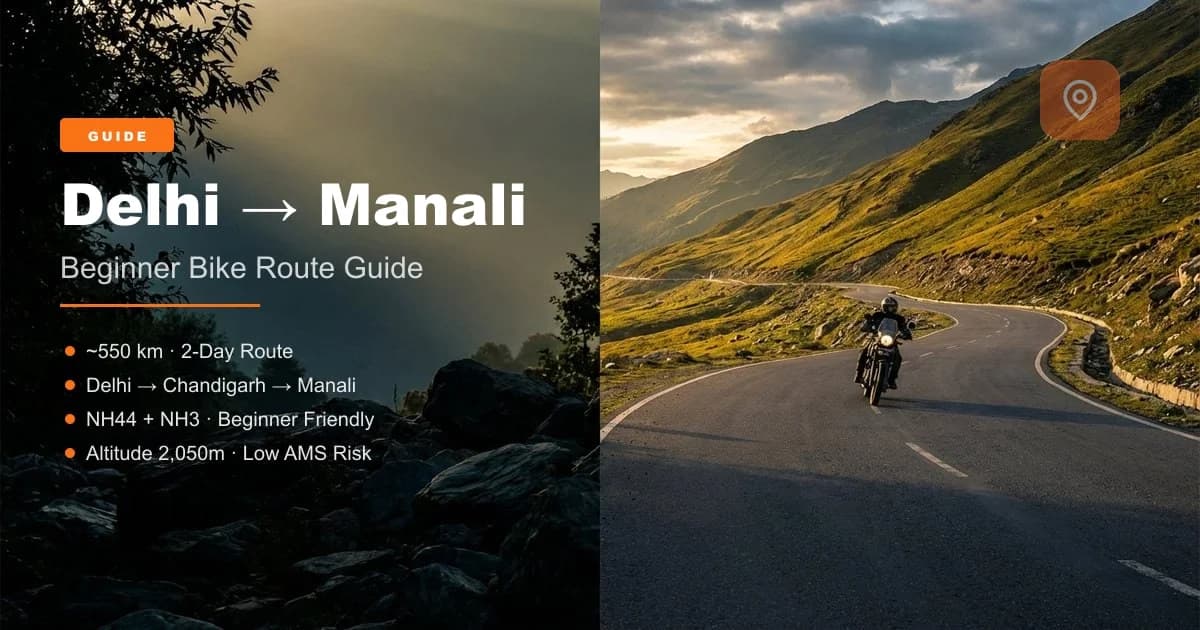
The roar of an engine, the wind in your face, and the majestic Himalayas rising in the distance – does that sound like your dream adventure? For countless riders, the call of the mountains is irresistible, and for beginners, there's no better introduction to Himalayan motorcycling than the classic Delhi to Manali route. This isn't just a journey; it's a rite of passage, a chance to swap cityscapes for stunning vistas and bustling highways for winding mountain roads.
Planning your first big bike trip can feel daunting, but with the right preparation, your Delhi to Manali bike trip can be an exhilarating, safe, and unforgettable experience. This comprehensive guide from MileMarked is your co-pilot, covering everything from choosing your ride and essential gear to navigating the route and mastering mountain riding techniques. Get ready to embark on an epic Himalayan adventure – your first roar awaits!
Quick Summary: Delhi to Manali Bike Trip
- Distance & Split: Approximately 550-570 km via NH44 — best ridden over 2 days with a night stop in Chandigarh or Mandi to avoid fatigue.
- Rohtang Pass Permit: Required if crossing into Lahaul or continuing to Leh. Book online via HP government portal — limited slots issued daily.
- Best Season: Mid-June to late September for clear roads; avoid July-August (landslide season) and post-October (snow risk on passes).
- Budget: Expect ₹8,000-₹12,000 per person for fuel, two nights' accommodation, and food for the one-way trip from Delhi.
- Critical Fuel Stop: The last major petrol pump before Manali on NH44 is at Bhuntar. Always top up there before the final stretch.
Verified by MileMarked · Last verified: March 2026
Why Manali is the Ideal Gateway for Beginner Riders
Manali isn't just a popular tourist destination; it's the perfect training ground for aspiring Himalayan riders. Here’s why this Delhi to Manali route is ideal for your inaugural mountain ride:
- Accessibility & Manageable Distance: Starting from Delhi, the approximately 550-570 km journey is well-connected by National Highway 44. It’s a distance that's challenging enough to feel like an accomplishment but manageable over two days, preventing rider fatigue.
- Scenic Beauty & Gradual Progression: The landscape transforms gradually. You'll move from the plains to the gentle Shivalik foothills, then deeper into the breathtaking Pir Panjal range. This slow introduction to mountain terrain allows you to adapt to the changing scenery and road conditions at your own pace.
- Road Conditions & Skill Development: The initial stretches are smooth, multi-lane highways, perfect for getting comfortable with long-distance riding. As you approach Manali, the roads become winding, narrower, and offer varied surfaces – a fantastic way to progressively build your mountain riding skills.
- Robust Infrastructure: Unlike more remote Himalayan routes, the Delhi to Manali route boasts ample fuel stations, repair shops, dhabas, and accommodation options. You're never too far from assistance, providing peace of mind for beginners.
- Lower Altitude Advantage: Manali, at around 2050 meters (6726 feet), is significantly lower than destinations like Leh or Spiti. This greatly reduces the risk of Acute Mountain Sickness (AMS), allowing you to focus on the ride and the scenery.
- The Ultimate Reward: Reaching Manali isn't just about the journey. It's about soaking in the vibrant culture, exploring adventure sports, and reveling in the stunning Himalayan panorama that serves as a well-earned backdrop to your achievement.
Gear Up & Get Ready: Choosing Your Ride and Essential Kit
Preparation is paramount for any bike trip, especially for your first Himalayan adventure. Let's talk bikes and essential gear.
Bike Selection
Choosing the right motorcycle is crucial. For beginners tackling the Delhi to Manali route, comfort, reliability, and manageable power are key.
- Rent vs. Own:
- Owning: If you already have a suitable bike, you know its quirks, which is a big advantage. Ensure it's serviced and ready.
- Renting: An excellent option for beginners without a touring-ready bike. You can try different models and avoid maintenance hassles. MileMarked offers a wide range of bikes for rent; check out our options to rent a bike from Delhi for the Himalayas.
- Suitable Bikes for the Route:
- Royal Enfield Classic 350/500: Classic choice, comfortable, great torque for hills.
- Royal Enfield Himalayan: Designed for the mountains, excellent suspension, comfortable ergonomics.
- Bajaj Dominar 400: Powerful, stable, and comfortable for highways, capable in the hills.
- KTM Adventure 250/390: Agile, potent, and well-suited for varied terrain, though the 390 might be a bit much power for absolute beginners.
- Tip: Opt for a bike you're comfortable handling, even with luggage. Don't go for something too powerful if you're not experienced.
Pre-Trip Bike Inspection Checklist: Even if you rent, quickly check these before you leave:
- Tires: Good tread, correct pressure.
- Brakes: Both front and rear working effectively, no sponginess. Chain: Properly lubricated and tensioned. Fluids: Engine oil, brake fluid levels. Lights & Indicators: All working. Horn: Loud and clear. Mirrors: Properly adjusted.
Essential Riding Gear
Your safety gear is non-negotiable. Invest in quality items; they are your first line of defense.
- Helmet: A full-face, ISI/DOT certified helmet is mandatory. Ensure it fits snugly.
- Riding Jacket: Armored (shoulders, elbows, back), all-weather with removable liners for temperature regulation.
- Riding Gloves: Full-finger, providing grip and protection.
- Riding Pants/Knee Guards: Armored riding pants or knee guards worn under sturdy jeans are crucial.
- Ankle-covering Boots: Protect your ankles and provide good grip on pegs and ground.
- Rain Gear: A waterproof jacket and pants are essential, as mountain weather can be unpredictable.
- Layering: Pack thermal wear, fleece, and quick-dry t-shirts. Temperatures vary significantly.
Luggage & Packing
Pack smart, pack light. Every extra kilo affects your bike's handling.
- Luggage: Saddlebags (for the rear), a tank bag (for essentials you need quick access to), and a small backpack are common choices. Ensure they are securely fastened and waterproof.
- Smart Packing Tips:
- Roll clothes tightly to save space.
- Prioritize essentials: basic toiletries, medications, power bank, camera.
- Carry only what's necessary for the ride; leave extra luggage in Delhi if returning.
- Basic Tool Kit: Puncture repair kit, air pump (manual or electric), basic spanners, zip ties, and electrical tape. Knowing how to use them is even better.
For a more detailed breakdown of what to carry, explore our Essential Motorcycle Gear Guide.
The Route Unpacked: Delhi to Manali – A Beginner-Friendly Breakdown
The approximately 550-570 km Delhi to Manali route is best enjoyed over two days for beginner riders. This allows for comfortable riding hours, plenty of breaks, and time to soak in the evolving scenery.
Overall Distance & Time:
- Distance: ~550-570 km
- Riding Time: 12-16 hours (actual moving time)
- Recommended Duration for Beginners: 2 days, with an overnight stop.
Recommended Route (NH44 Focus): Delhi - Panipat - Karnal - Ambala - Chandigarh - Kiratpur Sahib - Sundernagar - Mandi - Kullu - Manali.
Key Stretches & Road Conditions:
-
Delhi to Chandigarh (~250 km):
- Conditions: Smooth, multi-lane national highway (NH44). Expect high traffic density, especially around cities.
- Focus for Beginners: Get into a rhythm, maintain consistent speed, practice lane discipline. This stretch is about getting comfortable with highway cruising.
-
Chandigarh to Kiratpur Sahib (~80 km):
- Conditions: Still largely good highway, but traffic can remain heavy. You'll start to see the initial rises of the Shivalik hills.
- Focus for Beginners: Stay alert, watch for merging traffic, and begin to anticipate slight curves.
-
Kiratpur Sahib to Mandi (~100 km):
- Conditions: This is where the real hill climbing begins! The highway narrows, and you'll encounter more winding roads. Watch out for trucks and buses.
- Focus for Beginners: Practice gear changes for inclines and declines. Maintain a safe distance. Start observing mountain driving patterns.
-
Mandi to Kullu (~60 km):
- Conditions: Highly scenic, following the Beas River. Roads are narrower, and you might encounter some rough patches or construction zones.
- Focus for Beginners: Enjoy the views but stay focused. Practice gentle cornering and look out for oncoming traffic on blind turns.
-
Kullu to Manali (~40 km):
- Conditions: The most mountainous stretch, with increasing curves and ascents. Expect tourist traffic, especially during peak season. Road quality can vary significantly, from smooth tarmac to broken sections.
- Focus for Beginners: Ride defensively. Use engine braking effectively. Be prepared for sudden changes in road surface and weather.
Suggested Overnight Stops:
For a comfortable two-day journey, plan your stop strategically.
- Ambala (approx. 200 km from Delhi): A good option if you start early and want to cover significant distance on day one.
- Chandigarh (approx. 250 km from Delhi): Offers excellent accommodation and food choices. This is a popular first-night stop.
- Mandi (approx. 400 km from Delhi): If you're an ambitious beginner or have some experience, reaching Mandi on day one is feasible, leaving a shorter, more scenic ride for day two.
Fuel & Repair Stops:
- Fuel: Ample fuel stations are available on NH44 until you enter Himachal Pradesh. In Himachal, they are present in major towns like Sundernagar, Mandi, and Kullu. Always refuel when your tank is half-empty, especially in the hills.
- Repair: Major towns along the route will have mechanics. For peace of mind, identify a few key service centers in Mandi or Kullu beforehand, especially if you ride a popular model like a Royal Enfield.
Food Stops:
Dhabas and restaurants are plentiful throughout the entire route, offering everything from quick snacks to full meals. Don't forget to hydrate!
Preparation Beyond the Pillion: Safety, Health, and Documents
A successful bike trip involves more than just riding. It's about being prepared for anything. Before you pack, run through the MileMarked Reliable Route Checklist — it covers road condition checks, fuel planning, and emergency prep that first-timers often skip.
Physical & Mental Preparation:
- Stamina Building: Start with short rides around your city to build saddle time. Practice riding for 2-3 hours continuously.
- Mental Readiness: Long rides can be tiring. Prepare yourself for varying road conditions, potential delays, and unexpected challenges. A positive mindset makes all the difference.
Documents Checklist:
Carry original documents and keep photocopies/digital copies on your phone and cloud storage.
- Driving License: Original.
- Motorcycle Registration Certificate (RC): Original.
- Pollution Under Control (PUC) Certificate: Valid.
- Motorcycle Insurance Papers: Valid.
- Personal ID: Aadhaar Card/Passport.
- Emergency Contacts: Keep a physical note in your wallet.
Health & First Aid:
- Basic First Aid Kit: Bandages, antiseptic wipes, pain relievers, muscle relaxant cream, rehydration salts, any personal medications.
- Altitude Sickness (AMS): While less likely in Manali, be aware of symptoms (headache, nausea, dizziness). Inform yourself about basic precautions. Staying hydrated and avoiding alcohol helps.
- Hydration & Nutrition: Drink plenty of water. Carry energy bars, nuts, and dry fruits for quick energy boosts. Avoid heavy, oily meals before riding.
Weather & Best Time to Ride:
Choosing the right time can make or break your trip.
- Ideal Seasons:
- March-June (Pre-monsoon Summer): Pleasant weather, blooming valleys, clear skies. Temperatures are comfortable for riding.
- September-October (Post-monsoon Autumn): Fresh, crisp air, lush green landscapes (after the monsoon), and excellent visibility. This is often considered the best time.
- What to Expect: Temperature variations are common. Days can be warm, but evenings and mornings get chilly. Sudden rain showers are always possible, even outside monsoon season.
- Avoid:
- Monsoon (July-August): Heavy rainfall, landslides, and slippery roads make it extremely risky for beginners.
- Winter (December-February): Snowfall can block roads, making riding treacherous and challenging for even experienced riders.
Conquering the Mountains: Riding Techniques & Safety for Beginners
Riding in the mountains is a different beast than cruising on highways. Here are vital tips to ensure your safety and enjoyment.
Mountain Riding Fundamentals:
- Gear Selection: Use lower gears (2nd or 3rd) when climbing uphill to maintain power and control. When descending, use engine braking by downshifting. This saves your actual brakes and provides better control.
- Cornering Techniques: Look through the turn, not at the road directly in front of your wheel. This helps you anticipate the curve. Counter-steering (pushing the handlebar forward on the side you want to turn) is key for smoother turns.
- Braking: Use both front and rear brakes gently and progressively. Avoid sudden, hard braking, especially on curves or wet/gravelly surfaces, as it can lead to skidding.
- Maintaining Distance: Keep a generous distance from vehicles ahead, especially heavy vehicles like buses and trucks. They often take wide turns and might brake unexpectedly.
Traffic & Road Hazards:
- Local Traffic: Be prepared for unpredictable local drivers, buses, and trucks. They often drive fast and might overtake on blind turns. Stay alert.
- Road Hazards: Watch out for potholes, gravel, sand, water crossings (especially after rain), and stray animals (cows, goats, dogs) that can appear suddenly.
- Narrow Stretches: Some sections, especially closer to Manali, can be narrow, sometimes only allowing one vehicle at a time. Be patient and communicate with oncoming traffic (horn, hand signals).
Emergency Preparedness:
- Flat Tire: Know how to use your puncture repair kit. Practice beforehand. If you can't fix it, slowly ride to the nearest repair shop or hail a passing vehicle for help.
- Basic Troubleshooting: Familiarize yourself with basic bike issues like a loose chain, minor electrical faults, or a clogged fuel line.
- Emergency Contacts: Save emergency numbers (local police, roadside assistance, family) on your phone and keep a written copy. Share your itinerary with someone reliable.
- Mobile Network: Generally good coverage on the Delhi to Manali route, but expect patchy signals in some remote sections.
Riding Solo vs. Group:
- Solo: Offers immense freedom and self-reliance, but requires higher preparedness for emergencies.
- Group: Provides companionship and shared responsibility, which can be reassuring for beginners.
- Tips for Group Riding: Establish hand signals, maintain a staggered formation, and agree on a pace. Ensure clear communication. If you're interested in a guided experience, check out our Beginner Himalayan Bike Expedition or Himachal Discovery Motorcycle Tour.
Conclusion: Your Himalayan Adventure Awaits!
The Delhi to Manali route is more than just a ride; it's an adventure that transforms you. From the thrill of conquering your first mountain passes to the unparalleled beauty of the Himalayas, this journey offers an incredible learning experience for any beginner rider. We've covered the crucial steps: meticulous planning, gearing up, understanding the route, preparing for contingencies, and mastering essential mountain riding techniques.
Remember, the key to a successful trip lies in preparation, patience, and a deep respect for the mountains. Ride responsibly, ride safely, and embrace every moment of this incredible journey. The majestic peaks are calling, and your first Himalayan roar is just a ride away.
Ready to turn your dream into reality? Start planning your epic Delhi to Manali bike trip with MileMarked today! Explore our guides and trip options, like the Manali Valley Explorer Ride, and hit the road with confidence.
Frequently Asked Questions: Delhi to Manali Bike Trip
What is the best time to do the Delhi to Manali bike trip?
The best time is May to June and September to October. The Rohtang Pass opens around May (exact date depends on snowfall clearance) and closes again by November. Mid-July to August is monsoon season — roads can be landslide-prone. October offers great weather but shorter riding windows before winter closures.
How many days does the Delhi to Manali bike trip take?
Most riders complete it in 4-5 days from Delhi to Manali one-way (approximately 580 km). Day 1: Delhi to Chandigarh or Bilaspur (250-300 km). Day 2: To Rampur or Kullu (200 km). Day 3: To Manali (100 km). Add 1-2 extra days for rest stops, sightseeing, or if you plan to continue to Leh.
Do I need a permit to ride to Manali from Delhi?
No permit is required to ride from Delhi to Manali on the main highway (NH3). If you plan to cross Rohtang Pass towards Lahaul or continue to Leh, you will need a Rohtang Pass permit (obtainable online via the Himachal Pradesh government portal, limited number issued per day).
What bike is best for the Delhi to Manali trip?
Any reliable 150cc+ bike is capable of doing Delhi to Manali. Popular choices: Royal Enfield Himalayan (purpose-built for mountain roads), Royal Enfield Meteor/Classic 350 (comfortable cruiser), Hero Xpulse 200 (budget adventure option). The most important thing is that the bike is properly serviced and you are familiar with it.
Is the Delhi to Manali route safe for beginner riders?
Yes, with proper preparation. The highway (NH3) is a well-maintained 4-lane road for most of the journey. The challenging section is the last 50-80 km from Kullu/Bhuntar to Manali, which involves narrower roads, river crossings, and occasional construction zones. Ride during daylight hours, take it slow in curves, and you'll be fine.